

How to Reduce Dashboard Glare at Night: Step-by-Step

Last Updated: November 2, 2026
Quick Summary
To reduce dashboard glare at night, first find the source, then clear shiny objects and dim the displays. Next, use a matte dash mat or a properly applied matte dashboard cleaner, and clean the inside of the windshield to remove haze. Test the reflection in a dark area after each change to confirm the fix works.
- Park in a dark area and run the three-part test to find the glare source.
- Clear shiny objects off the dashboard and lower the instrument panel and screen brightness.
- Choose a dark, matte, snug-fitting dash mat that does not block airbags or pedals.
- Apply a water-based matte dashboard cleaner in thin layers, avoiding the windshield and screen.
- Clean the inside of the windshield with an automotive glass cleaner to stop haze.
Table of Contents
- Why Your Dashboard Reflects on the Windshield at Night
- Step 1: Diagnose Whether the Glare Comes From the Dashboard, Glass or Lights
- Step 2: Clear Bright Objects and Adjust Dashboard Lighting
- Step 3: Use an Anti-Glare Dashboard Mat
- Step 4: Apply a Matte Dashboard Cleaner Correctly
- Step 5: Clean the Inside of the Windshield to Stop Haze
- Polarized Glasses and Other Ways to Reduce Glare When Driving at Night
- Confirm the Fix Works and Plan Your Next Upgrade
- Frequently Asked Questions
If your dashboard reflects on the windshield at night, you are not alone. Many drivers find that the glowing instrument panel bounces off the glass and blocks part of the view ahead. The fix is usually simple, and This step-by-step guide explains how to reduce dashboard glare at night. Working through the steps in order may solve the problem in a single evening.
Why Your Dashboard Reflects on the Windshield at Night
Dashboard glare happens when light from the instrument panel hits the inside of the windshield and bounces back toward your eyes. At night, the cabin is dark, so even a dim display stands out. A bright shiny surface on the dash makes the problem worse.
Common causes include:
- A light-colored or glossy dashboard
- Bright screens, such as a navigation unit or infotainment display
- Loose objects that catch light, like phones or coins
- Haze or film on the inside of the glass
Many drivers notice the reflection most on wet nights and on older windshields. Learn more about the benefits and tradeoffs of LED lighting for night driving. Pinpointing the source is the first real step, which is why Step 1 comes next.
Step 1: Diagnose Whether the Glare Comes From the Dashboard, Glass or Lights
Before you buy anything, figure out what is actually causing the problem. Most night glare comes from one of three sources, and each has a different fix. A ten-minute test in a dark parking lot can save you from buying the wrong product.
Set up a controlled test. Park facing a wall or an empty stretch of road with no streetlights overhead. Turn off the engine but leave the ignition in accessory mode so the displays stay on.
Test 1: Isolate the dashboard. Turn on the instrument panel and infotainment screen, then turn off every other light in the cabin. If a reflection appears on the glass, note its shape and location.
Test 2: Isolate the glass. With the dash lights still on, wipe a small patch of the inside of the windshield with a clean, dry microfiber cloth. Look through that patch and compare it to the uncleaned area.
Test 3: Isolate external light. Turn off the dash lights and the infotainment screen completely. If a reflection or streak remains, it is coming from outside the cabin. Common culprits are oncoming headlights, streetlights, and bright reflections off wet pavement.
Watch out: Do not judge glare with the engine running and the headlights on. Your own headlights can bounce off road signs and walls and create reflections that look like dashboard glare but disappear once you are moving.
Look for the telltale signs of each source. A reflection that mirrors the shape of your instrument cluster or screen is dashboard glare. A uniform haze or a halo around every light is glass film.
Check the controls that affect night brightness. Modern vehicles often have separate brightness settings for the instrument panel, the center screen, and any ambient lighting.
Once you know which source is dominant, work through the fixes in order from least expensive to most involved. That way you only spend money on the step that actually solves your problem.
Step 2: Clear Bright Objects and Adjust Dashboard Lighting
Start with the easy fixes. Clear anything shiny or bright off the dashboard. Phones, sunglasses cases, and light-colored papers all reflect light.
Next, lower the brightness of your displays:
- Dim the instrument panel using the dimmer control
- Reduce the screen brightness on your navigation or infotainment unit
- Switch to a darker display theme if your vehicle offers one
- Turn off unused ambient lighting near the windshield
If you have interior LED lights, aim them away from the glass. Warm, low-level lighting usually causes less glare than cool, bright light. If you have recently installed LED lights, you can test LED headlight polarity before installing to confirm they are wired correctly. When you upgrade interior lights, look for gentle, low-intensity options. Compare interior LED car light options that are easier on night vision.
Step 3: Use an Anti-Glare Dashboard Mat
A dash mat is one common fix. A matte, non-reflective surface absorbs light instead of bouncing it.
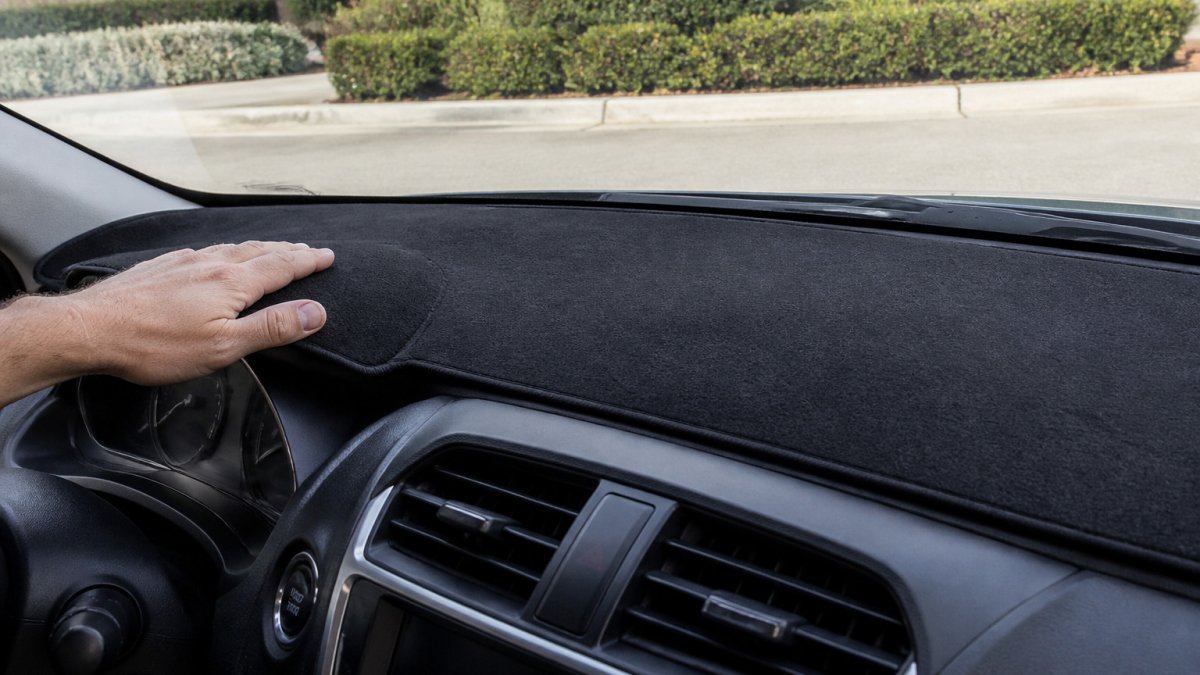
When choosing a mat, look for:
- A matte or low-gloss finish
- A dark color that absorbs light
- A snug fit for your exact model, so it does not slide or block controls
- Material that will not warp in heat
Lay the mat flat and smooth out any wrinkles before driving. Check that it does not block airbag deployment zones or pedals. Any mat that touches those areas is a safety hazard, so skip it.
Step 4: Apply a Matte Dashboard Cleaner Correctly
If your dash is shiny but a mat does not suit you, a matte dashboard cleaner can help. These products leave a flat, non-reflective finish on vinyl and plastic. Because residue can undo a matte finish, use gentle methods to clean car interiors without leaving a film that catches the light.
Match the product to the surface. Most modern dashboards are textured plastic, vinyl, or a synthetic leather. Check your owner's manual or the label inside the door jamb for the material.
Prep the surface first. A matte product applied over dirt, old dressing, or Armor All-style residue will not bond evenly. Clean the dashboard with a gentle interior cleaner and a microfiber cloth, then let it dry fully.
Apply in thin layers. Spray a small amount of matte product onto a microfiber applicator pad, not directly onto the dash. Wipe in thin, even strokes, working one section at a time.
Keep product off glass and electronics. Overspray on the windshield, the infotainment screen, or the gauge cluster can create a new source of glare. Mask off the windshield edges and the screen with painter's tape if you are worried about overspray. Never spray directly toward the glass.
Watch out: Test any new product on a small, hidden spot first, such as the underside of the dash or an area near the door, and wait a full day. Some products darken light-colored plastics, stain textured surfaces, or leave a permanent sheen that is hard to remove.
Check the result at night. After the product has dried, run the same dark-parking-lot test from Step 1. If the surface looks shinier than before, the product is wrong for your dash or you applied too much. Remove it with a dedicated interior cleaner before it cures.
Know when to stop. If two attempts with a matte product still leave a strong reflection, the dash material itself may be too glossy to fix with a dressing. In that case, a fitted dash mat from Step 3 is the more reliable solution, and it protects the surface from future shine.
The right product and careful application matter most when using a matte dashboard cleaner, as the article explains.
| Mistake | Why it hurts | Fix |
|---|---|---|
| Silicone or high-gloss dressing | Leaves oily film that reflects light | Use water-based matte interior product |
| Tire or exterior trim product | Too heavy, leaves greasy residue | Choose a product made for vinyl and plastic |
| Applying over old dressing | Shine stays trapped underneath | Clean and fully dry the dash first |
| Heavy coat | Dries shiny and attracts dust | Apply thin layers and buff off excess |
| Overspray on glass or screen | Creates a new source of glare | Mask edges with painter's tape |
| Skipping a test spot | Can darken or stain surfaces | Test a hidden area and wait one day |
Step 5: Clean the Inside of the Windshield to Stop Haze
Haze on the inside of the glass is a frequent cause of night glare. It comes from plastic outgassing, smoke, and cleaning residue. Clean it carefully.
Watch out: Do not use household glass cleaners that contain ammonia on tinted windows, as they can damage the tint film.
Use this method:
- Use an automotive glass cleaner made for the interior
- Spray the cleaner on your cloth, not the glass
- Wipe in straight lines, first side to side, then up and down
- Buff with a second, dry microfiber cloth
- Clean the glass when it is cool and out of direct sun
Repeat the cleaning every few weeks, or whenever haze returns. For more on keeping headlight and glass clarity maintained after an upgrade, see keeping headlight housings clear. Test the reflection again after cleaning to see how much it improved.
Polarized Glasses and Other Ways to Reduce Glare When Driving at Night
Some drivers wear polarized sunglasses or anti-reflective eyewear to cut glare from the dashboard and oncoming lights. Polarized lenses reduce reflected light, which can help with the bounce off the glass.
Be careful, though. Dark lenses reduce the amount of light reaching your eyes. At night, that can make it harder to see the road, pedestrians, and cyclists. Many drivers prefer clear or lightly tinted anti-reflective lenses for night use. Polarized sunglasses are generally not suited to night driving.
Other options include:
- Adjusting your seat so your eyes sit slightly higher, which changes the reflection angle
- Keeping your headlights aimed correctly
- Keeping your speed reasonable so you have time to react
Before trying any new eyewear, make sure it does not reduce your night vision.
Confirm the Fix Works and Plan Your Next Upgrade
After making your changes, take the same night test you ran in Step 1. Park in a dark area, turn on the dash lights, and check the windshield again. Note how much the reflection has dropped.
If the glare is still strong, go back to the diagnosis. The source may be the glass, the lighting, or a combination of both. Address one cause at a time so you know which change helped.
If you plan to upgrade your lighting, make sure the new parts match your vehicle.
Reducing dashboard glare takes a few simple steps, and most drivers see results quickly. Start with the easy fixes, then work through the rest as needed. Better lighting and a clear view can make night driving safer.
Frequently Asked Questions
What can I put on my dashboard to stop the glare?
A matte, dark dash mat is one option. It covers the reflective surface that bounces light onto the windshield, so the image you see at night is less likely to be mirrored on the glass. Choose a mat sized for your exact model, since loose or undersized mats leave gaps that still reflect. Keep bright objects such as phones, coins and white papers off the dashboard, because they reflect as much as the surface itself.
Will a dashboard mat stop reflections on the windshield?
A dash mat with a non-reflective finish can absorb and diffuse light rather than bouncing it upward, which may reduce the reflection of the instrument panel on the glass. Confirm the mat fits the dashboard contours without bunching, because a raised or wrinkled edge can create a new reflection line. If you still see glare after installing one, check the windshield for interior film, which a mat cannot fix.
Can dashboard spray make windshield glare worse?
Yes. Some dashboard sprays can leave a residue that forms a film on the inside of the windshield, and at night that film can scatter light across the glass. Overspray onto the glass is the most common cause. Spray dashboard product onto a microfiber cloth instead of the dashboard, and wipe off any residue on the windshield with glass cleaner.
What should I do if glare continues after I clean the windshield?
Work through the causes in order. First, confirm the dashboard surface is matte and free of bright objects. Second, check for haze by wiping the inside of the glass with a clean microfiber cloth and glass cleaner, then looking at the windshield with the dashboard lights on and off. If the glare persists, the cause may be interior lighting or the headlight pattern, which requires adjusting controls or a professional inspection.
